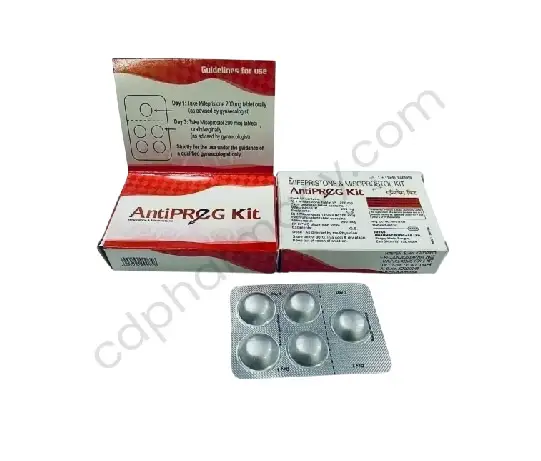

Mifeprex
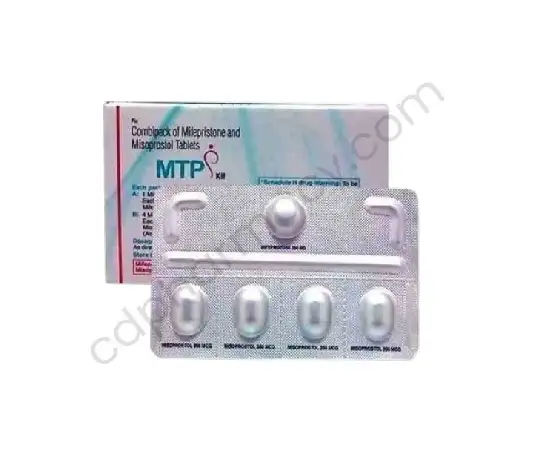
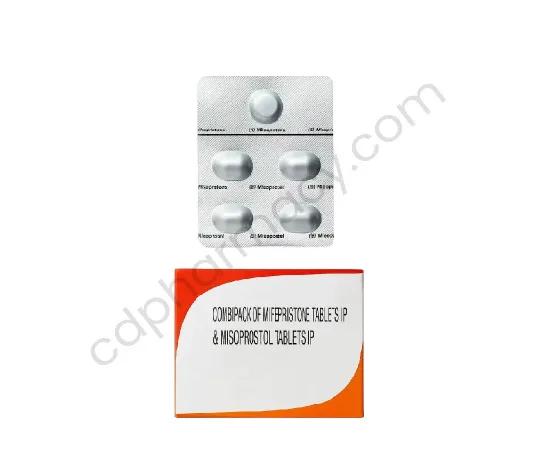
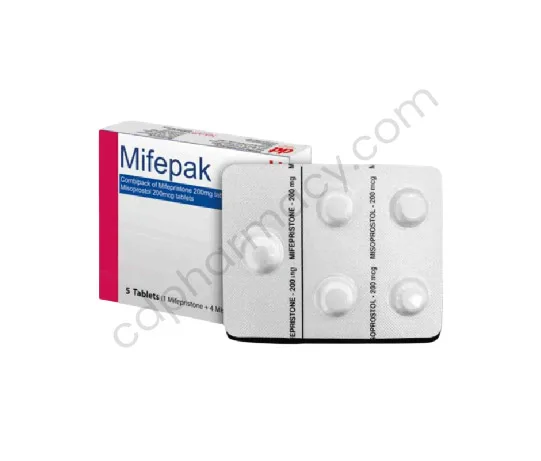
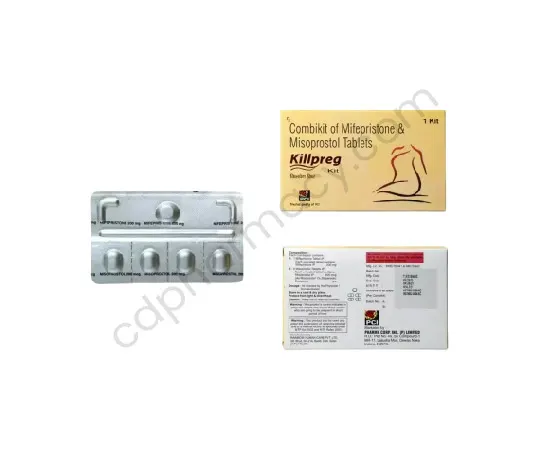
Mifeprex contains mifepristone, an antiprogesterone medicine used with misoprostol for medication abortion. It is used to end an early intrauterine pregnancy within the approved gestational-age range. Learn more about Mifeprex, including its uses, dosage, safety information, and availability, with CD Pharmacy.
What is Mifeprex?
Know the Mifeprex medication facts:
This oral pill ends a pregnancy in the uterus and has insignificant side effects.
It is used in a two-step schedule where Misoprostol is taken 24 to 48 hours later to expel the pregnancy.
Mifeprex causes breakdown of the uterine lining so that the implantation does not exist anymore.
It facilitates ripening of the cervix to ensure the next step of abortion occurs smoothly.
Benefits of Mifeprex
Know the common benefits of this medication:
- The pill process has a success rate of 95-98% when Mifeprex and Misoprostol pills are used. However, Mifepristone alone cannot lead to a successful emptying of the uterus.
- This medication eases pregnancy termination by offering a non-invasive and in-home solution to an unplanned pregnancy.
- It gives women complete control over their reproductive health decisions and choices, and freedom to command their own pregnancies.
- The expenses for the procedure are lower than the clinical process due to no anesthesia or need to be admitted to the hospital.
How Does Mifeprex Work?
Here are the details about the mechanism:
- Mifeprex discontinues an early pregnancy by breaking down the endometrial lining by blocking the progesterone hormone. The pregnancy contents are separated from the uterus wall, and implantation is no longer there.
- The prostaglandin medication, Misoprostol, is the next medication in the procedure that empties the uterus by expelling the pregnancy tissues out of the vagina via heavy bleeding.
- Misoprostol also widens and ripens the cervical opening for the pregnancy sections to successfully exit the body.
Dosage of Mifeprex
Here are the dosage instructions:
- The medicine is taken orally with water on day 1. The dosage strength of the pill is 200mg.
- After 24 to 48 hours, take 4 x Misoprostol 200mcg pills by placing them under the tongue (buccally), in between cheek pouches (sublingually) – once the medicine dissolves in 30 minutes, ingest the contents. Or, insert the pills vaginally while laying down and rest for 30 minutes.
How to Store Mifeprex?
Understand the storage guidelines:
- Let the pills sit intact in the blister pack away from the reach of children.
- Do not keep the medicine in hot and humid areas.
- Protect the medicine from direct exposure to sunlight and moisture.
- Store the medicine in a space that is less than 77°F (25°C).
Side Effects of Mifeprex
The common side effects are:
- Vomiting, mild nausea, vomiting, headaches, breast tenderness, hot flashes, headaches, dizziness, abdominal cramps and pain from the uterine contractions, a fever for a short time.
- You will encounter heavy vaginal bleeding that vacates the womb of all the pregnancy products.
- After the uterus vacates, the bleeding lightens and may turn to spotting for 2-6 weeks.
The serious side effects when you need medical attention are:
- Severe abdominal pain not reduced by pain meds.
- Soaking more than two large pads every hour for the next two hours as well.
- Foul-smelling vaginal discharge.
- A high fever of 100.4°F (38°C) or more over 24 hours.
- Extreme weakness, severe chills, and fainting spells.
How to Manage the Mifeprex Effects?
Here are tips for side effect management:
- Do not make sudden movements, or it may worsen tiredness, dizziness, and headache.
- To avert the risk of dehydration, drink plenty of water and electrolyte liquids.
- Eat non-spicy and light food; avoid alcohol and caffeinated beverages. These would protect against stomach upset.
- To control abdominal cramping and pain, use a hot compress either with a heating pad or hot water bag.
- Nausea and vomiting are possible, so use the antiemetic medicine before taking the medicine.
- For the bleeding, always use large sanitary pads and avoid tampons or menstrual cups.
Interactions of Mifeprex
Avoid the following with the abortion pill:
- Dexamethasone or Phenytoin.
- Blood thinners, antiseizure meds, immunosuppressants, and corticosteroids.
- Anticoagulants, erythromycin, ketoconazole, and Rifampin.
- Large amounts of grapefruit juice.
- St. John’s Wort and certain other herbal supplements.
- Certain medicines for fungal infections.
Contraindications of Mifeprex
The pills are not recommended in the following scenarios:
- If the pregnancy exceeds 12 weeks or is ectopic (located outside the uterus).
- If you have severe anemia or asthma.
- If you have an artificial valve fitted for the heart.
- If the intrauterine device is not removed before the pregnancy termination.
- If you have severe heart, kidney, or liver disorders.
- If you have an allergy to Mifeprex and Misoprostol pills.
Precautions of Mifeprex
Know the precautions to follow:
- Follow up with a doctor to get an ultrasound done for the abdomen. This will showcase if the pregnancy tissues have successfully left the uterus or some remaining tissues are there.
- Douching, vaginal intercourse, etc. must be avoided during bleeding to deter the risk of infection. Wear clean and hygienic clothes.
- Bleeding will contain pregnancy tissues and conception product particles, and thus the blood clots are small to large – nothing to worry about. It reduces to spotting for 2-6 weeks before fertility resumes.
- Use birth control when engaging sexually – to avoid instances of an unplanned pregnancy. The menstrual cycle resumes in a couple of weeks or more.
Frequently Asked Questions
Prescription requirements for Mifeprex depend on your location and applicable regulations. In the U.S., mifepristone is available through certified healthcare providers and pharmacies under the FDA's current requirements.
Medication abortion with mifepristone does not generally affect future fertility when no complications occur.
Most contraceptive methods can be started soon after a medication abortion. A healthcare professional can help you choose a suitable option.
Ask a healthcare professional for individualized advice about breastfeeding and medication abortion.
An IUD requires medical assessment before medication abortion. Consult a healthcare professional before using Mifeprex if you have an IUD.
Many people return to normal activities as they feel able. Rest may be helpful if you experience cramping, bleeding, or fatigue.
If travel is necessary, consider staying within reasonable access to medical care during the abortion process.
Sexual activity can generally resume when you feel physically and emotionally ready. Follow any specific advice from your healthcare professional.
Pregnancy symptoms may take time to resolve. If symptoms persist or you are concerned that the abortion was not complete, contact a healthcare professional for follow-up.
Author Details