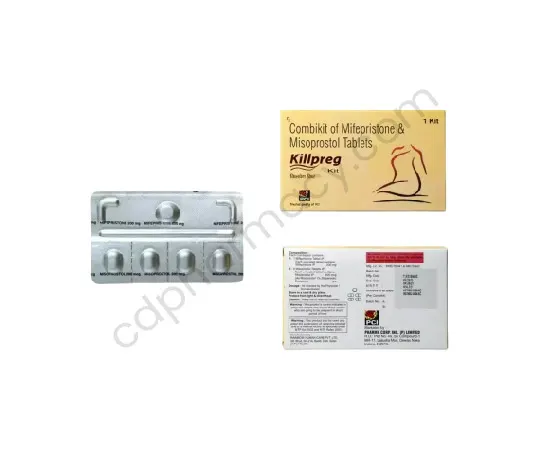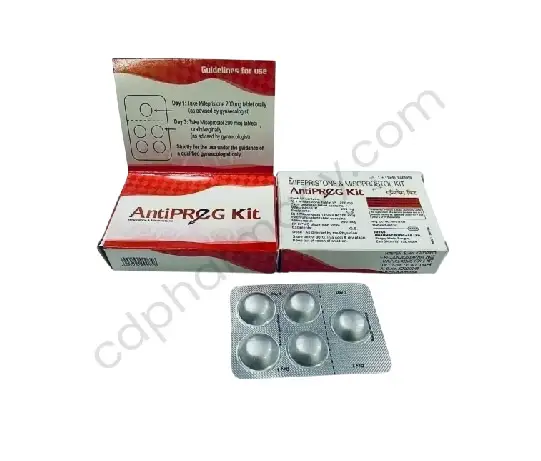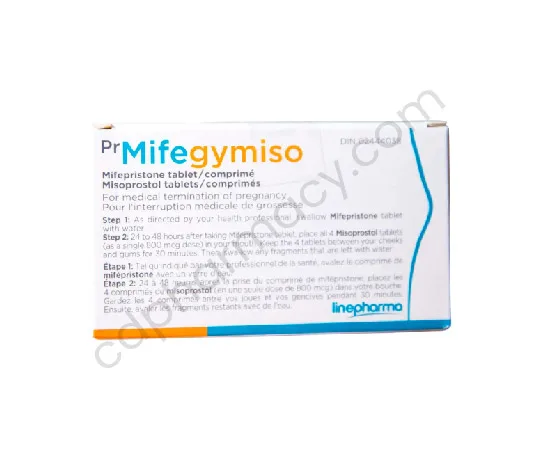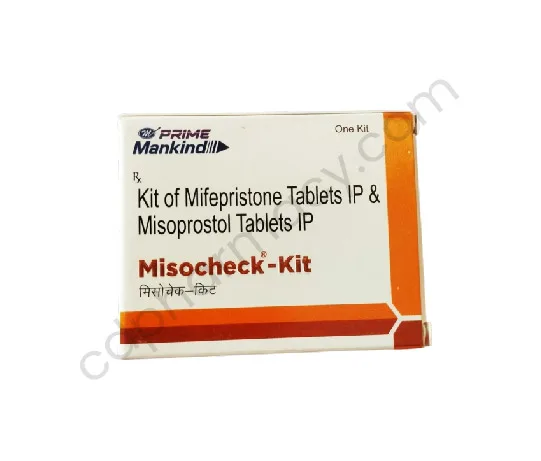
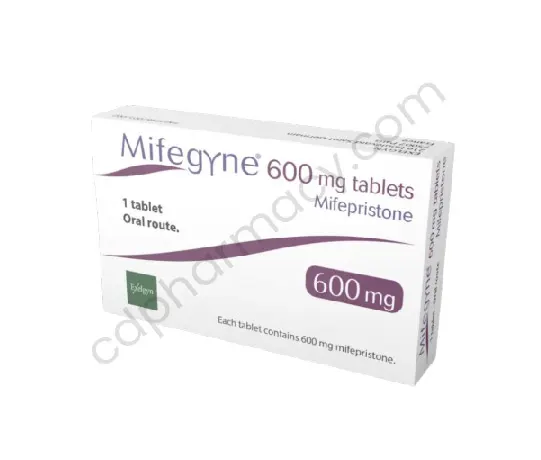
Mifegyne
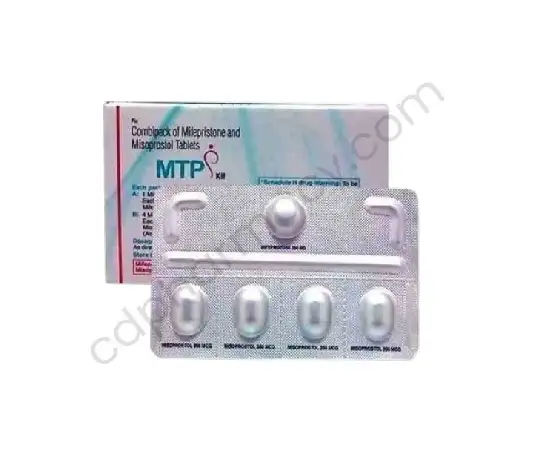
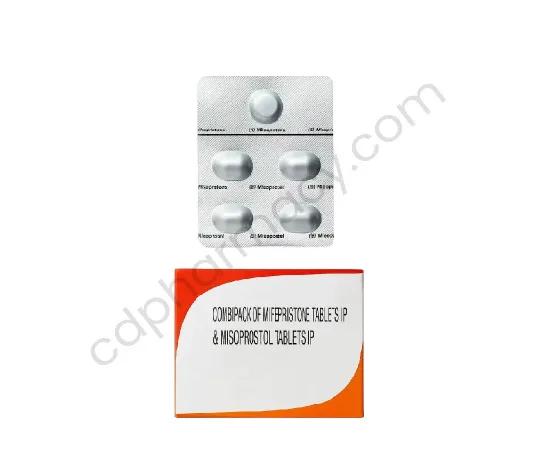
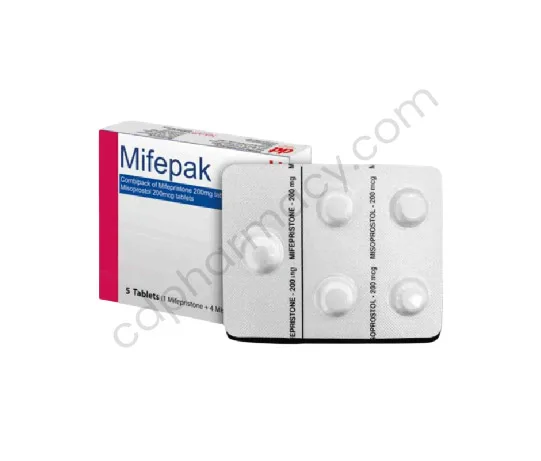
Mifegyne is a 200mg abortion pill containing mifepristone, used for medication abortion in early pregnancy. It blocks progesterone and is used with misoprostol under medical guidance. Learn more about Mifegyne, its uses, dosage, precautions, and safety information from CD Pharmacy.
What is Mifegyne?
Here are the key details of the Mifegyne pill:
- This oral medication is used to terminate a pregnancy that is within 12 weeks of gestation.
- It is the primary pill taken in a two-part medication abortion routine.
- Mifegyne is responsible for undoing implantation, and thereby preventing the pregnancy from progressing further.
- The pill also primes the cervix to prepare it for further steps in abortion when Misoprostol is introduced.
Benefits of Mifegyne
Know the common benefits of this medication:
- The success rate of medical abortion increases from 85-90% to 95-98% when you take Mifegyne and Misoprostol pills, rather than using just Misoprostol.
- Those looking for a non-surgical method to end pregnancy can easily depend on this medication. No need for anesthesia or waiting queues for pregnancy termination.
- Mifegyne or Mifepristone also opens the cervix to reduce the physical effort exerted during an abortion.
- It contains FDA-approved key components. Thus, it is an ideal choice for induced abortion at home.
How Does Mifegyne Work?
Let us understand the role of Mifegyne in medical abortion. We will also discuss how the next pill, Misoprostol, supports the Mifepristone mechanism to expel the pregnancy:
- Mifegyne (Mifepristone) is an anti-hormone pill. It blocks the progesterone receptors to stop sustenance of a pregnancy.
- Due to lack of progesterone, the thick endometrial lining that holds the embryo starts to break down.
- The pill helps the pregnancy contents to get detached from the uterine wall, and thereby ends the conception without effort.
- It also changes the cervical structure and softens it. The second medication, Misoprostol, is useful in creating uterine contractions to remove the pregnancy tissues from the uterus. This prostaglandin pill also dilates the cervix.
- Together, these abortion pills remove the pregnancy components from the womb in a few hours or days via heavy vaginal bleeding.
Dosage of Mifegyne
Here are the dosage instructions for abortion pills:
- The oral tablet, Mifegyne 200mg is swallowed with water on day 1 of the abortion process. Take only one pill.
- After 24-48 hours, use 4 x Misoprostol 200mcg pills vaginally by inserting one pill each at a time in the vaginal tract deep. You may lie down to place the pills inside. Stay in this relaxed position for 30 minutes for the medicine to get absorbed in the system,
- Misoprostol can be administered sublingually by keeping the pills under the tongue or buccally by placing the meds in cheek pouches. The medicine dissolves in 30 minutes and you consume the melted contents orally.
How to Store Mifegyne?
Understand the storage guidelines for this pill:
- Keep the pill in its original pack until you need to consume it. Keep the medicine away from direct sunlight, excessive heat, and moisture.
- Do not keep near children and pets. The perfect temperature for storage is less than 77°F (25°C).
- Do not store the medicine in humid and hot areas like kitchen, car, and bathroom cabinets.
Side Effects of Mifegyne
The expected side effects of Mifegyne pills are:
- Mild nausea, vomiting, headaches, breast tenderness, hot flashes, headaches, dizziness, a fever for a short time, abdominal cramps and pain from the uterine contractions.
- During the procedure, expect heavy vaginal bleeding and blood clot release containing pregnancy tissues. This helps the uterus to empty. The bleeding turns light gradually, and stays as mild spotting for 2 to 6 weeks.
The unusual symptoms when you need medical attention are:
- Foul-smelling vaginal discharge.
- Severe abdominal pain not reduced by pain meds.
- Soaking more than two large pads every hour for the next two hours as well.
- A high fever of 100.4°F (38°C) or more over 24 hours.
- Extreme weakness, severe chills, and fainting spells.
How to Manage the Mifegyne Effects?
Here is how to handle the side effects of the abortion pill process:
- You may experience headaches and tiredness. So, avoid sudden movements and physical exertion.
- Eat nutritious, light, and healthy foods to avoid stomach upset and irritation. Do not drink alcohol and too much of caffeinated beverages, Avoid junk food and spicy eatables.
- Nausea and vomiting are common. To avert this risk, take antiemetic medicine before Misoprostol administration.
- Use large sanitary napkins for the bleeding. Do not insert tampons or menstrual cups.
- Electrolyte-based drinks and water can keep away the risk of dehydration.
- Abdominal cramps and pain can be reduced by applying a hot water bag or heating pad. You may also use over-the-counter pain relief medicines.
Interactions of Mifegyne
Do not take the following with abortion medications:
- Blood thinners, antiseizure meds, immunosuppressants, and corticosteroids.
- Dexamethasone or Phenytoin.
- Anticoagulants, erythromycin, ketoconazole, and Rifampin.
- Large amounts of grapefruit juice.
- Certain medicines for fungal infections.
- St. John’s Wort and certain other herbal supplements.
Contraindications of Mifegyne
The medical abortion method is unsuitable in the following instances:
- If you have unexplained vaginal bleeding, undiagnosed adnexal mass, adrenal failure, or bleeding disorders.
- If the pregnancy exceeds 12 weeks or is ectopic (located outside the uterus).
- If you have severe anemia or asthma.
- If the intrauterine device is not removed before the pregnancy termination.
- If you have an artificial valve fitted for the heart.
- If you have severe heart, kidney, or liver disorders.
- If you have an allergy to Mifegyne and Misoprostol pills.
Precautions of Mifegyne
Follow these precautions for your safety:
- After the abortion, visit a clinic to confirm the pregnancy. Take an ultrasound test for the pregnancy check as it tells you if the uterus has leftover tissues.
- Since bleeding lasts for a few weeks, avoid vaginal intercourse and douching until the bleeding ends. This will keep you safe from infections. Also, avoid exercising for the first 2-3 weeks so that the bleeding does not increase.
- You may ovulate as soon as 8-11 days after the abortion or 4 to 6 weeks later. So, if you do not wish to conceive and are sexually active, use birth control.
Frequently Asked Questions
Bleeding and cramping can occur after treatment, but they do not by themselves confirm that the pregnancy has ended. A scheduled follow-up assessment or appropriate pregnancy test is needed to confirm the outcome.
If the pregnancy continues, medical follow-up is important because additional treatment may be necessary. Continuing pregnancy after mifepristone exposure also requires discussion with a healthcare professional.
A contraceptive coil (IUD) should be removed before taking Mifegyne. A healthcare professional should assess the situation before treatment.
A completed medical abortion is not generally expected to impair future fertility. However, complications requiring medical attention can affect reproductive health, so appropriate follow-up is important.
If you vomit soon after taking Mifegyne, contact your healthcare professional. You may need advice about whether the dose needs to be repeated.
Yes. Certain medicines, including some corticosteroids, antifungals, antibiotics, seizure medicines, and herbal products such as St John's Wort, can interact with mifepristone. Tell your healthcare professional about all medicines and supplements you use.
Mifepristone can cause dizziness in some people. Follow your healthcare professional's advice and avoid driving or operating machinery if you feel dizzy or otherwise unwell.
Discuss travel plans with your healthcare professional. It is advisable to remain within reasonable reach of appropriate medical care during the treatment and follow-up period.
Author Details